How Genetics Shape Puppy Behavior
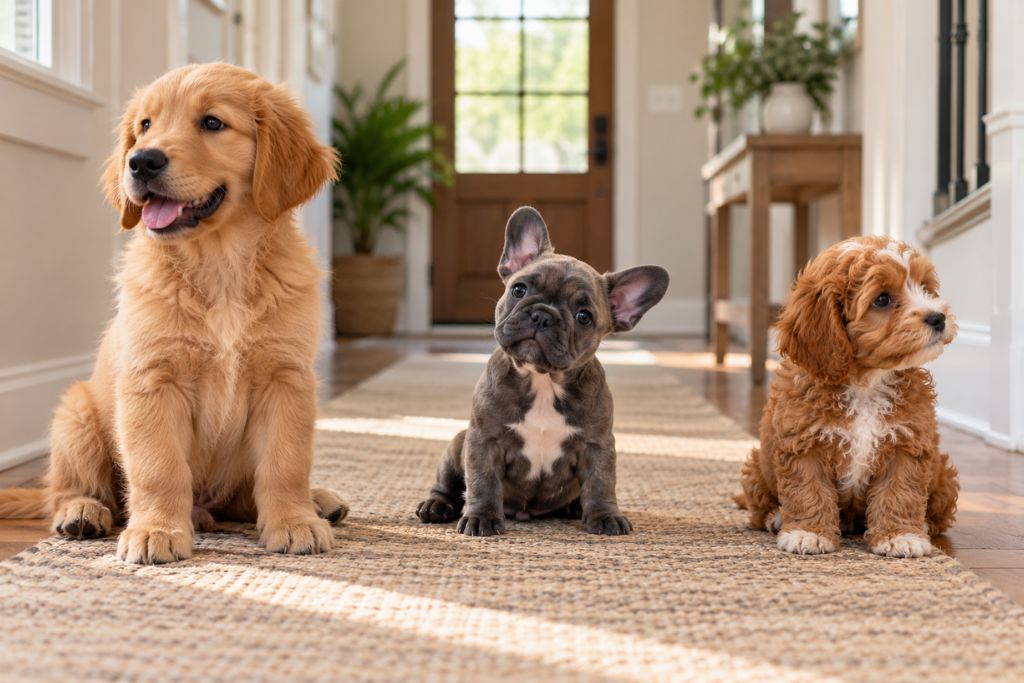
Your puppy is one of a kind, but genetics help shape the personality you are getting to know. They can influence traits such as sociability, playfulness, caution, and how strongly a dog responds to certain situations. Environment and learning matter, too.
That combination makes every puppy different. A puppy settling into a home in Roanoke may respond to new experiences differently from their littermate, even when both have had similar care.
How much do genetics influence puppy behavior?
Genetics can influence behavior without completely determining it. Research has found meaningful genetic differences in canine behavior, including traits connected to social interaction, play, fear, and environmental responses. Studies also show that breed alone is a limited way to predict an individual dog’s behavior. Research summary from the Broad Institute
So, if your puppy seems naturally outgoing, observant, energetic, or cautious, genetics may be part of the explanation.
Still, genes are not a personality crystal ball.
Which puppy behaviors can genetics influence?
Inherited traits can contribute to several natural behavioral tendencies.
- Sociability: Some puppies naturally seek more interaction with people.
- Playfulness: Certain genetic backgrounds can contribute to stronger play and activity tendencies.
- Caution: Some puppies approach unfamiliar people, places, or objects more carefully.
- Working behaviors: Herding, retrieving, tracking, and other behaviors can have genetic roots.
- Sensitivity: Puppies can differ in how strongly they respond to unfamiliar situations.
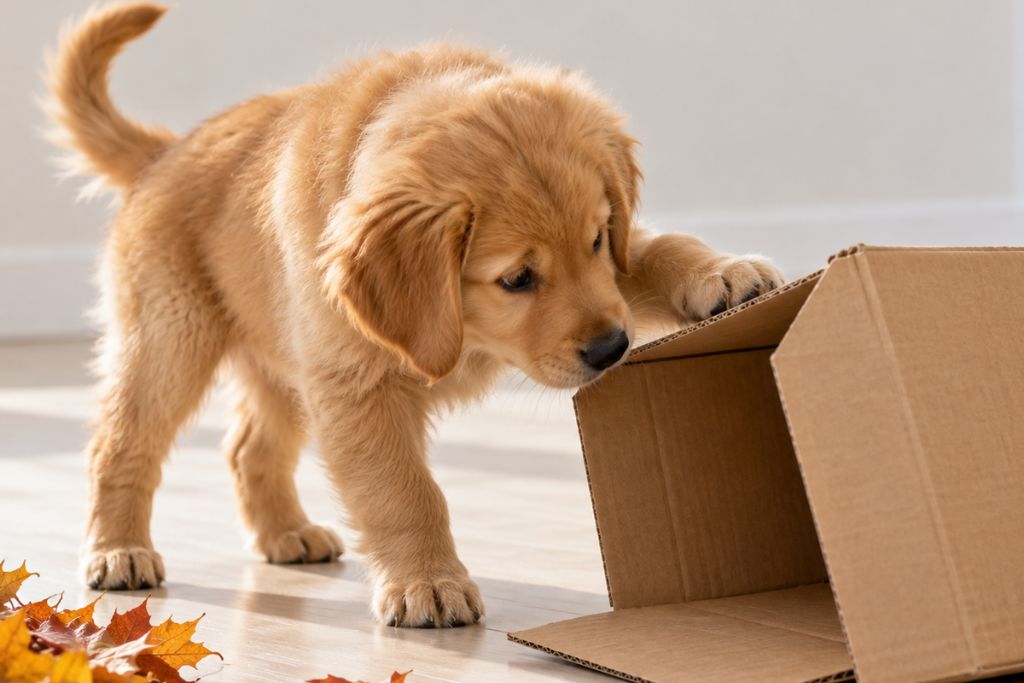
You may notice these differences when puppies encounter something new. One might approach an unfamiliar sound with curiosity, while another watches from a comfortable distance.
Neither puppy is doing it wrong.
Can your puppy’s environment change inherited tendencies?
Absolutely. Genetics provide tendencies, while experiences help shape how those tendencies develop.
A naturally cautious puppy can gain confidence through calm, positive experiences. An energetic puppy can learn appropriate outlets for that energy. A social puppy still needs guidance around new people and dogs.
Even an everyday experience, such as hearing a new household sound or visiting a quiet outdoor space, gives you a chance to see how your puppy responds.
You do not need to rush those experiences. Let your puppy observe, process, and gradually participate.
What can you learn from your puppy’s natural personality?
Your puppy’s behavior gives you useful information about how they experience the world.
A puppy that watches before approaching may need more time. A puppy that eagerly investigates everything may need help learning when to settle. Paying attention lets you work with your puppy instead of expecting every puppy to behave the same way.
If you are choosing a puppy, ask what is known about the parents’ temperaments and how the puppy behaves during everyday care and play. Spend time observing the puppy, too. Breed traits can offer context, but the individual puppy matters most.
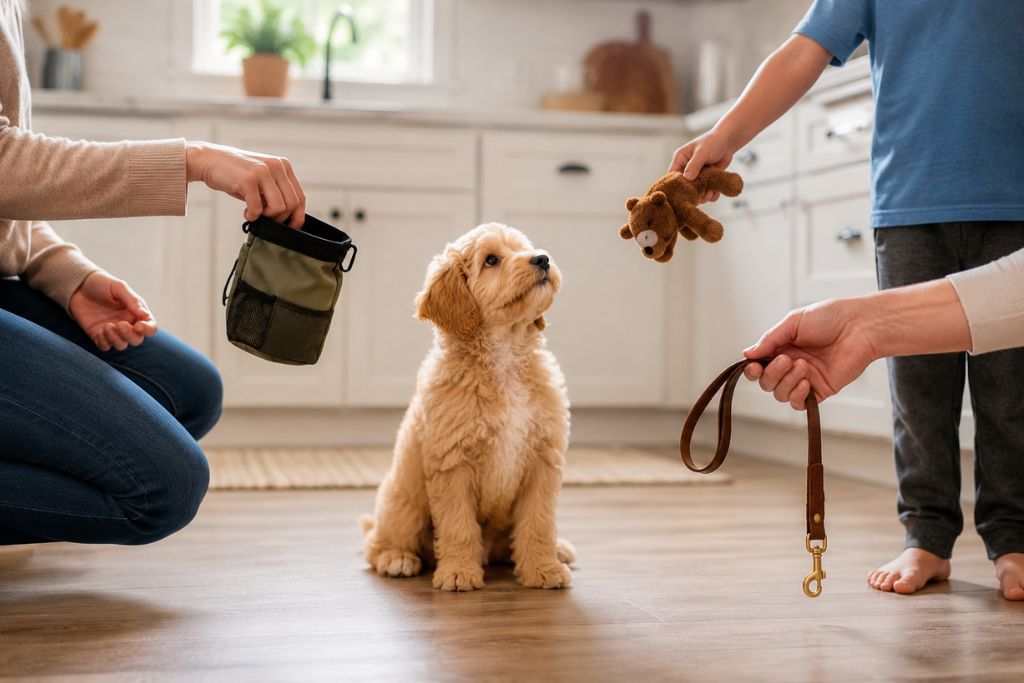
That becomes especially useful as your puppy grows. An ordinary walk can become a chance to practice calm observation, leash skills, and confidence at an appropriate pace.
How can Waggles help you find the right furry match?
When you visit Waggles in Duluth, spend time noticing how a puppy responds to you, play, and a new setting. Ask our team what they have observed about that puppy’s behavior during everyday care. Those details can help you consider the individual puppy alongside their breed traits.
Waggles also provides resources that support families after the exciting homecoming, from puppy care and training guidance to veterinary support.
Genetics may influence where your puppy starts. The experiences you share help shape where they go next.
And that is where the fun really begins.